Education today goes far beyond textbooks and examinations. Parents increasingly look for schools that focus on the overall development of their child, not just academic performance. This is where extracurricular activities in an IGCSE school play a crucial role.
The IGCSE curriculum is designed to promote inquiry-based learning, creativity, leadership, and global awareness. When supported by strong extracurricular programs, students develop essential life skills that prepare them for real-world challenges. In this blog, we explore the top 10 extracurricular activities in an IGCSE school and how they contribute to a child’s physical, emotional, social, and intellectual growth.
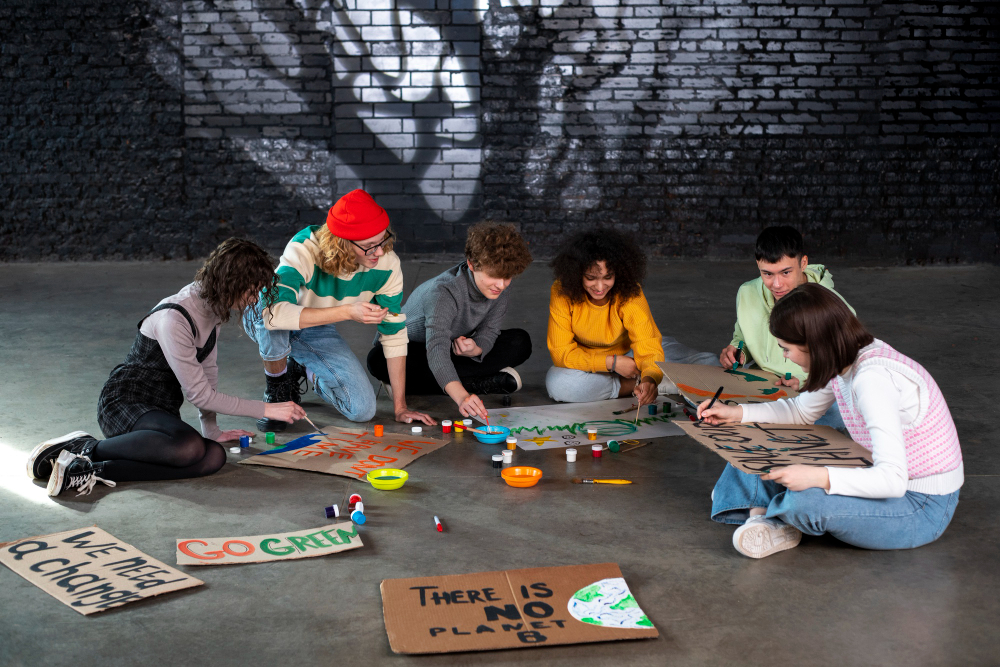
Why Extracurricular Activities in School Are Important?
Extracurricular activities complement classroom learning by helping students discover their interests, build confidence, and develop skills beyond academics. These activities support holistic education by nurturing communication skills, teamwork, creativity, discipline, and leadership—qualities that are central to the IGCSE learning approach.
Top 10 Extracurricular Activities in an IGCSE School
1. Sports and Physical Education
Sports are a vital part of student life in an IGCSE school. Regular physical activity improves fitness, stamina, coordination, and mental well-being. Team sports like football, basketball, and cricket teach collaboration, discipline, leadership, and respect for rules. Individual sports such as swimming and athletics help students build self-confidence, focus, and personal goal-setting skills. Sports also play a key role in reducing academic stress and promoting a healthy lifestyle.
2. Music (Vocal and Instrumental)
Music education enhances creativity, emotional intelligence, and concentration. Learning to sing or play an instrument improves memory, listening skills, and discipline through regular practice. Music also allows students to express emotions in a positive way and gain confidence through performances, group practices, and school events.
3. Dance and Performing Arts
Dance encourages physical flexibility, coordination, rhythm, and self-expression. Exposure to different dance forms helps students appreciate diverse cultures and traditions. Performing on stage builds confidence, teamwork, and stage presence, enabling students to communicate emotions through movement.
4. Drama and Theatre
Drama and theatre activities are powerful tools for developing communication and public speaking skills. Students learn voice modulation, body language, emotional expression, and storytelling. Role-playing enhances empathy and creativity by allowing students to understand different perspectives, while also boosting confidence and social interaction skills.
5. Art and Craft / Visual Arts
Visual arts encourage imagination, innovation, and independent thinking. Activities such as drawing, painting, and craftwork help develop fine motor skills and attention to detail. Art provides students with a creative outlet to express thoughts and emotions while strengthening problem-solving abilities.
6. STEM Clubs (Robotics, Coding, and Science Clubs)
STEM clubs are an essential part of extracurricular activities in an IGCSE school. Robotics, coding, and science experiments promote logical thinking, curiosity, and innovation. Hands-on learning helps students apply theoretical concepts practically, aligning perfectly with the IGCSE curriculum’s emphasis on inquiry-based education and preparing students for future careers in science and technology.
7. Debate, Public Speaking, and Model United Nations (MUN)
Debate and MUN programs help students develop critical thinking, research skills, and confident communication. These activities teach students how to express opinions respectfully, listen actively, and understand global issues. They also nurture leadership qualities, global awareness, and decision-making skills essential for future academic and professional success.
8. Community Service and Social Responsibility Programs
Community service initiatives teach students empathy, ethics, and social responsibility. By participating in social outreach programs, students understand the importance of giving back to society. These experiences help shape strong moral values and develop compassion, making students responsible global citizens.
9. Literary Activities (Reading Clubs and Creative Writing)
Literary activities strengthen language proficiency and creativity. Reading clubs improve comprehension, vocabulary, and critical thinking, while creative writing encourages imagination and self-expression. These skills directly support academic success and enhance performance across subjects in the IGCSE curriculum.
10. Life Skills and Leadership Programs
Life skills programs focus on time management, teamwork, problem-solving, and decision-making. Leadership activities such as student councils and group projects help students take responsibility, build confidence, and develop essential interpersonal skills. These programs prepare students to face real-life challenges with confidence and maturity.
Conclusion: Building Well-Rounded Learners Through Extracurricular Activities
Extracurricular activities in an IGCSE school play a vital role in shaping confident, creative, and future-ready individuals. A school that prioritizes holistic development ensures students grow academically while also developing strong life skills, leadership qualities, and emotional intelligence.
Choosing an IGCSE school with a rich extracurricular program helps children become balanced learners, capable global citizens, and lifelong learners prepared for success beyond the classroom.